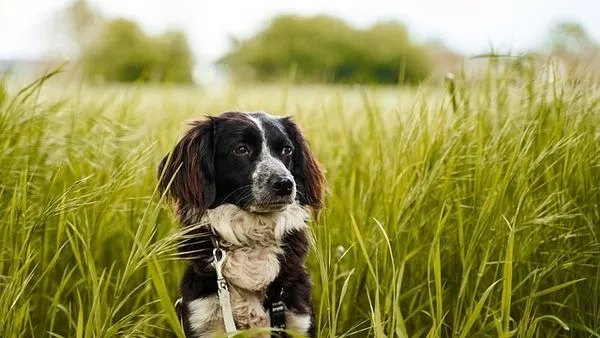
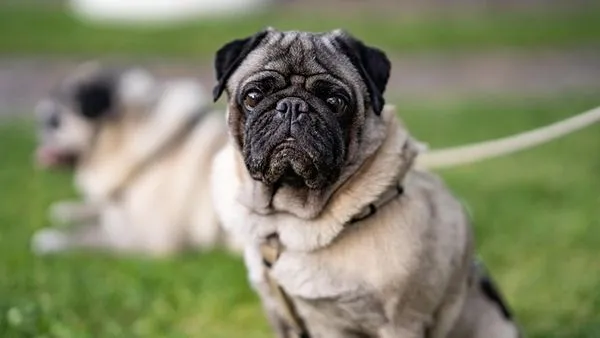
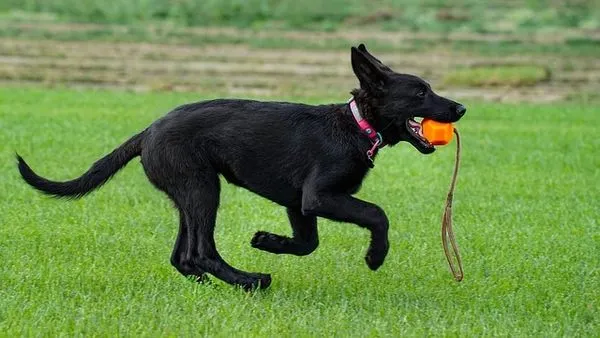
Pet Breeded Analysis API is a machine-learning-powered interface that identifies a dog's or cat's breed from an uploaded image, returning breed labels, confidence scores, and often additional traits such as size category and temperament. These APIs enable developers to add reliable pet identification features to apps, shelters, veterinary systems, and insurance platforms without building a custom image-recognition model from scratch. With accuracy improving rapidly and training data expanding, a pet breed analysis API is now a practical, affordable tool for any pet-related business.
What Is a Pet Breed Analysis API?
An API (Application Programming Interface) is a set of rules that lets one software application communicate with another. A Pet Breed Analysis API specifically accepts an image file or URL as input and returns structured data about the animal in that image. A typical response includes:
- Primary breed prediction — the breed the model considers most likely
- Confidence score — usually a percentage (e.g., 87%) indicating model certainty
- Secondary/alternative breeds — possible mixed-breed candidates
- Physical trait predictions — coat color, ear type, size range, or weight estimates
- Species classification — dog versus cat versus other animal
The best APIs return results in under one second for a single image, making them suitable for real-time mobile experiences.
Key Facts: Why Breed Identification Matters
pet industryfication is not just a fun feature. It carries practical, medical, and legal significance across the pet industry:
- Veterinary medicine: Many inherited conditions are breed-specific. Hip dysplasia is common in German Shepherds and Labrador Retrievers, while brachycephalic breeds like Pugs and French Bulldogs have elevated risks of respiratory obstruction. Accurate breed data helps vets screen for the right conditions.
- Shelter and rescue operations: Shelters often mislabel breeds by visual guess, which can affect adoption rates. Studies suggest that visual breed identification matches DNA results in only about 25–75% of cases depending on the breed. A breed analysis API provides a more consistent, documented baseline for shelter records.
- Insurance and liability:pet insuranceurance policies and rental agreements are breed-sensitive. Automated breed verification creates an auditable record.
- Behavioral expectations: While an individual dog's behavior is influenced by training and environment, breed-origin predispositions (e.g., herding, guarding, retrieving) help owners prepare.
- Lost-pet recovery: A clear breed description improves matching accuracy on lost-and-found platforms.
How a Pet Breed Analysis API Works
Understanding the technical pipeline behind the API helps you set realistic expectations and choose the right provider.
Step 1: Image Preprocessing
The API resizes the uploaded image, normalizes pixel values, and crops or pads it to the dimensions the recognition model expects — commonly 224×224 or 299×299 pixels. Some advanced APIs also detect the animal's face or body first and crop to the most informative region.
Step 2: Deep Learning Inference
The core of the system is a convolutional neural network (CNN), typically a modern architecture such as ResNet, EfficientNet, or a Vision Transformer. The model has been trained on tens of thousands of labeled pet photos. During inference, the network computes a probability distribution across the breeds it knows.
Step 3: Post-Processing and Output
The API applies thresholds to filter low-confidence predictions, may merge visually similar breed classes, and formats the output as JSON or XML. Server-side caching and batching are often used to reduce costs and latency.
Step 4: Continuous Improvement
Leading providers retrain their models periodically with new data gathered under consent and privacy policies. Some, including pet-focused AI platforms such as Pettuex, feed real-world usage patterns back into model refinement, improving accuracy for mixed-breed and less-common animals over time.
Accuracy Benchmarks: What You Should Expect
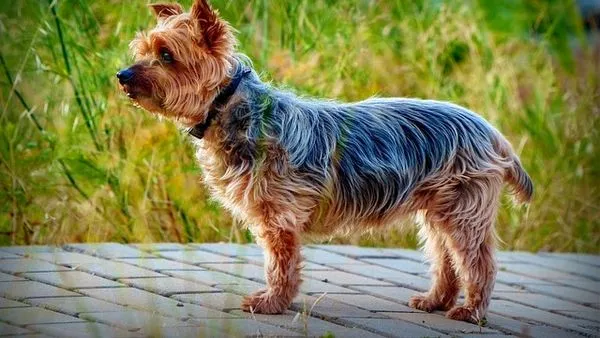
Before integrating, set realistic accuracy expectations. Published studies and vendor documentation offer useful reference points:
- Purebred identification (top-1 accuracy): 80–95% for well-photographed, frontal images of purebred dogs from commonly seen breeds.
- Top-5 accuracy: Most commercial APIs achieve 95% or higher in listing the correct breed among their top five guesses.
- Mixed-breed accuracy: Drops to roughly 60–80% because the correct prediction may be a combination (e.g., "Labrador Retriever mix" vs. "Beagle mix"). Disagreement between visual models and DNA panels is common; DNA testing itself is probabilistic.
- Breed coverage: Consumer-facing APIs typically recognize 40–120 breeds. The American Kennel Club currently recognizes 200+ breeds, so coverage varies significantly by provider. Choose an API whose breed list matches your use case.
- Image quality impact: Blurry, low-light, or side-angle images can reduce accuracy by 10–20 points. For best results, require users to submit clear, well-lit, front-facing photos.
Key point: No API is 100% accurate, and for mixed-breed animals, no visual system can be. Use confidence scores to flag ambiguous cases for a human or DNA-based review when precision matters.
Key Features to Look For in a Pet Breed Analysis API
Not all breed APIs are equal. When evaluating vendors, prioritize these capabilities:
- Multi-species support: The API should reliably distinguish dogs, cats, and other animals, not just classify dog breeds.
- Confidence threshold configuration: Let your application decide when to accept a prediction and when to ask for another photo.
- Breed count and granularity: Confirm the coverage includes less-common breeds relevant to your market.
- Secondary breed detection: Vital for shelters and rescue apps dealing with mixed breeds.
- Trait prediction: Some APIs include coat color, fur type, ear shape, and estimated adult size — useful for grooming and product recommendation apps.
- Low latency: Aim for under 1–2 seconds per image at the 95th percentile.
- Batch processing: For shelters analyzing multiple animals, a batch endpoint reduces costs and integration complexity.
- Compliance and privacy: Images of pets can contain identifiable metadata (GPS, faces of owners). Confirm that the provider does not retain or share your images without consent.
- Clear documentation and SDKs: Look for RESTful endpoints plus SDKs for JavaScript, Python, Kotlin, and Swift to reduce development time.
Practical Implementation: Integrating the API Step by Step
Here is a proven integration workflow suitable for most platforms:
- Define your use case and data requirements. Determine whether you need species classification only, breed + traits, or breed + confidence scoring for compliance decisions.
- Select a provider and obtain API credentials. Sign up, generate an API key, and review rate limits and pricing tiers (typical plans start at $0.002–$0.01 per image, with volume discounts).
- Preprocess client-side. Compress images to under 5 MB, strip EXIF metadata, and prompt users to upload a clear frontal photo. This raises accuracy and reduces bandwidth costs.
- Call the API. Send the image as a POST request (base64 or multipart). Handle errors such as invalid image formats, unsupported files, and rate-limit responses (HTTP 429).
- Parse the response. Extract the top breed, confidence score, and alternative predictions. Store these fields alongside your user record.
- Define your decision rules. Example: confidence ≥ 80% = accept; 50–79% = request a second photo or show top three options; below 50% = return "unknown/mixed" status.
- Build a feedback loop. Let users correct wrong predictions. These corrections can be used to build a validation dataset for benchmarking your chosen API over time.
- Monitor performance. Track accuracy, latency, and cost monthly. Re-evaluate your provider every 6–12 months, since model versions improve quickly.
Use Cases Across the Pet Industry
Shelter and Rescue Platforms
Shelter management systems can call the API during intake to standardize breed descriptions. This improves searchability on pet-listing sites, where "terrier mix" currently appears for many different-looking dogs. A consistent, API-generated label also helps shelters meet adoption requirements and maintain transparent records.
Pet Insurance and Policy Underwriting
Some insurers restrict coverage or adjust premiums based on breed. Instead of relying on owner statements, insurers can verify breeds remotely from photos submitted with claims or applications. The audit trail supports dispute resolution, and confidence scores flag ambiguous cases for manual review.
Pet Tech and Wellness Apps
Apps can personalize feeding schedules, exercise targets, and grooming routines based on breed-specific data. For example, a pet AI ecosystem like Pettuex integrates breed analysis with health monitoring to tailor recommendations for each animal. This turns a single photo upload into a richer onboarding experience.
Lost-and-Found and Community Platforms
When someone uploads a photo of a lost or found pet, the API auto-generates a breed description for the alert. Matching algorithms can then compare descriptions and photos across submissions to suggest potential reunions.
eCommerce and Personalized Merchandise
Pet retailers can recommend the right size of harness, coat, or crate based on the predicted breed and size category. This increases conversion and reduces returns caused by size mismatches.
Veterinary Practice Management Software
Adding a breed-analysis field to patient intake forms helps clinics flag breed-specific risk factors and auto-populate medical record templates with relevant genetic screening suggestions.
Breed Analysis API vs. Generic Image Recognition
You might wonder whether you can simply use a general-purpose computer-vision API such as Google Cloud Vision or AWS Rekognition. The short answer: you can, but the trade-offs matter.

- Accuracy on breeds: Generic APIs label objects and broad categories ("dog," "mammal") but are not trained as deeply on fine-grained breed distinctions. Dedicated pet breed analysis APIs typically outperform generic vision by 10–30 points on breed-specific tasks.
- Output structure: Generic APIs return arbitrary labels, object bounding boxes, and web entities. Dedicated APIs return normalized breed names, confidence scores, and trait data that map cleanly to your database schema.
- Breed coverage: Generic vision APIs cover fewer breeds, and their outputs often overlap (e.g., "dog," "puppy," "Labrador"). Dedicated APIs standardize to a single taxonomy — essential for clean data aggregation.
- Privacy and data use: Generic providers may use your images to improve their general models. Pet-focused APIs often offer stricter data handling policies for animal image data.
- When to use generic vision: If your need is limited to detecting whether an image contains a pet (for moderation or auto-album features), generic vision is cheaper. For breed-level answers, invest in a dedicated pet breed analysis API.
Cost and Performance Considerations
Pricing varies by provider but follows predictable patterns. Typical commercial models charge per image or per API call:
- Free tier: 50–1,000 calls per month for testing and small communities.
- Pay-as-you-go: $0.002–$0.01 per image, with discounts above 1 million calls per month.
- Enterprise contracts: Flat annual licensing with unlimited calls — suitable for shelters and large-scale platforms that need predictable costs.
Latency expectations: the 95th percentile response time should be under 2 seconds for a standard 1 MB image. Combine caching (reuse results for the same image hash) with your own storage to avoid duplicate charges.
Conclusion
Adopting a pet breed analysis API lets you deliver instant, data-backed breed identification to users in any pet-related vertical — from shelters and insurance to wellness apps and eCommerce. To get the best results, choose an API with broad breed coverage, transparent model performance data, strong privacy terms, and clean confidence scoring; implement it with good image-quality requirements and a sensible decision-rule framework. Your organization can then combine that data with other AI services — such as the health and behavior analysis available from platforms like Pettuex — to create deeper, more personalized pet experiences. The technology is now mature, measurable, and affordable enough that the only real question is how quickly you integrate it.
Frequently Asked Questions
How accurate is a pet breed analysis API?
For purebred dogs with clear, front-facing photos, top-1 accuracy typically ranges from 80–95%. Top-5 accuracy exceeds 95% on most commercial APIs. For mixed breeds, accuracy depends on the breed combination and generally falls to 60–80% compared with DNA results. Always use the API's confidence score to decide when a prediction is reliable enough to act on.
Can a breed API identify mixed-breed dogs?
Yes. Most pet breed analysis APIs return a primary breed, secondary breed, and confidence scores for each. However, a mixed-breed dog may still be labeled with a single breed if it strongly resembles one parent. For rescue or medical decisions, combine visual analysis with DNA testing and a veterinarian's assessment.
Which breeds do these APIs recognize?
Coverage varies by provider. Consumer-oriented APIs commonly recognize 40–120 breeds, while specialized platforms may cover 200+ breeds along with cat breeds. Check the provider's published breed list against your use case before committing, especially if you serve owners of rare or regional breeds.
Is a pet breed analysis API expensive to integrate?
No. Most providers offer a free tier for evaluation, and production pricing typically ranges from $0.002 to $0.01 per image. Integration usually takes a few developer hours, since the API is a simple REST endpoint. The larger cost is defining your business rules (confidence thresholds, error handling, storage) around the API responses.
Can I use a general-purpose image recognition API instead?
You can, but accuracy on fine-grained breeds and the structure of the output will be weaker. General-purpose vision APIs are better at detecting the presence of a pet, while a dedicated pet breed analysis API is optimized for breed identification, trait extraction, and mixed-breed scenarios. For any feature where breed matters, a specialized API is the stronger choice.