Pet image recognition is a branch of artificial intelligence (AI) and computer vision that enables software to identify a specific animal, its breed, or potential health markers from a digital photograph. By analyzing unique physical traits such as coat color, facial geometry, and body proportions, these algorithms can perform tasks ranging from matching a lost pet to its owner to flagging early signs of skin disease. This technology is rapidly becoming a foundational tool in modern pet care, bridging the gap between casual pet photography and actionable, data-driven veterinary insight.
How Does Pet Image Recognition Work?
Unlike simple QR codes or RFID chips, pet image recognition relies on complex machine learning models known as Convolutional Neural Networks (CNNs). These models are trained on massive datasets composed of thousands of labeled images of dogs, cats, and other companion animals. When a new image is uploaded, the AI breaks the picture down into thousands of individual "features"—such as the curve of an ear, the texture of fur, or the spacing between the eyes—and runs those features through multiple mathematical layers to classify the animal or identify the individual.
The Role of Neural Networks and Training Data
- Input Layer: The raw pixel data of the photo is ingested and normalized to a consistent size, typically 224x224 or 299x299 pixels.
- Convolutional Layers: These layers detect basic patterns like edges, corners, and fur texture, passing the information deeper into the network.
- Fully Connected Layers: Here, the AI weighs the probability that the features it has detected match a known breed, species, or specific pet profile stored in its database.
- Training Volumes: A production-grade breed recognition model usually requires between 100,000 and 500,000 labeled images to achieve an accuracy rate above 90% in real-world settings.
The quality of the dataset matters more than pure volume. Models trained primarily on professional studio photos often fail when faced with poor lighting or motion blur. Top-tier developers train their AI on "in-the-wild" images sourced from shelters, veterinary clinics, and user uploads to ensure the system is resilient enough for everyday smartphone use.
Key Identifying Features Analyzed
To distinguish a Golden Retriever from a Labrador Retriever, or to tell Siamese apart from a Balinese cat, modern algorithms rely on a combination of macro and micro features:
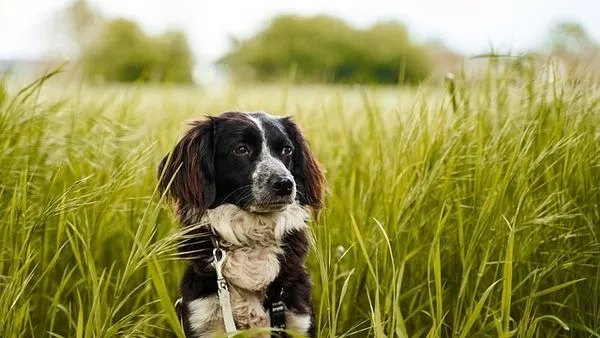
- Facial Geometry: The distance between the eyes, the width of the muzzle, and the shape of the skull.
- Coat Pattern and Color: Ticked, brindle, tabby, merle, or point coloration—these are often the strongest indicators of breed group.
- Ear Set: Pricked, drop, rose, or button ears have strong genetic correlations with specific heritage.
- Body Proportions: The ratio of leg length to body depth helps the AI separate breeds like Dachshunds from Corgis or Greyhounds from Whippets.
- Distinctive Markings: For individual pet identification, patterns like a unique coat patch or a scar can act as a biometrical marker for re-identification.
Why Pet Image Recognition Matters: Key Use Cases
The practical scope of pet image recognition extends far beyond a parlor trick. It solves real-world problems in animal welfare, preventive medicine, and human-animal bonding.
Microchipping and Lost Pet Recovery
Approximately 10 million pets are lost in the United States every year, and only about 15% of dogs and 2% of cats without microchips ever return home. Pet image recognition is being actively deployed by shelters and municipal animal services to change these odds. When a member of the public finds a stray dog, they take a photo and upload it to a matching platform. The AI instantly scans the shelter's lost-pet database and returns possible matches based on physical similarity—no microchip scanner required. This method has proven exceptionally effective for "sight hounds" and mixed-breed animals, which are notoriously difficult to describe in text searches.
Breed Identification and Health Predisposition
Knowing a pet's exact genetic heritage is vital for preventative care. Certain breeds are predisposed to specific medical conditions: Brachycephalic breeds like Pugs and French Bulldogs are prone to BOAS (Brachycephalic Obstructive Airway Syndrome), while breeds like the Doberman Pinscher have a high incidence of dilated cardiomyopathy. Pet image recognition gives owners and shelter veterinarians an instant guess at this genetic background, allowing them to recommend targeted screening earlier. The AI does not replace DNA tests, but it provides a 90% accurate, zero-cost baseline in under three seconds.
Veterinary AI Diagnostics
One of the most exciting developments in this space is the use of image recognition for visual health screenings. AI models are currently capable of detecting:
- Dermatological conditions: Identifying hot spots, ringworm, bacterial infections, or food allergy rashes with sensitivity rates up to 87%.
- Ophthalmic issues: Flagging signs of cataracts, cherry eye, or conjunctivitis based on corneal clouding and conjunctival redness.
- Musculoskeletal abnormalities: Analyzing posture and limb alignment in still images to hint at early-stage arthritis or cruciate ligament injury.
- Dental disease: Recognizing tartar buildup, gingivitis, and broken teeth in frontal mouth photographs.
These tools are designed to be a triage mechanism, not a replacement for a physical veterinarian.
Integration with Smart Pet Tech
Pet image recognition is increasingly embedded in everyday devices. Smart fountains, litter boxes, and treat dispensers use on-device AI to distinguish between individual pets in a multi-animal household. For instance, a camera-enabled feeder can identify which specific cat is approaching and adjust the portion size or automatically unlock the cover if that pet is on a prescription diet. Similarly, smart cameras can send owners a personalized alert when a specific pet is acting lethargic, as opposed to sending generic motion notifications. Industry solutions like Pettuex are actively combining facial recognition with activity tracking to give owners a comprehensive, quantified view of each pet's daily behavior.
How to Use Pet Image Recognition: A Practical Step-by-Step Guide
To get the most accurate results from any pet image recognition tool—whether it is a breed identifier, a lost-pet matching service, or a symptom checker—you must follow a standardized image capture protocol. Here is the most reliable process:
- Select the correct platform: Match the tool to your goal. Use a specialized database like Petco Love Lost for missing animals, a veterinary-specific app for skin or dental issues, and a general-consumer app for breed curiosity. Generic "pet scanner" apps are often simply rebranded general image classifiers with lower veterinary rigor.
- Capture a high-resolution, front-facing photo: Position your phone at the pet's eye level. Ensure the entire head is in the frame with 5-10% margin around the edges. The image should be at least 800x800 pixels to preserve critical features like whisker pads.
- Use soft, natural lighting: Avoid direct flash, which can blow out the coat pattern and create a red-eye effect that obscures the iris. The ideal setting is outdoor shade or a room with diffused daylight from a north-facing window.
- Remove filters and visual obstructions: Do not capture the pet wearing a costume, a collar with a large buckle, or a harness that covers the chest—these objects distort body geometry. Also, remove sunglasses or visors, which block the facial landmarks used for identity matching.
- Record the confidence score: Most professional AI tools display a percentage score (e.g., "92% confident this is a Border Collie mix"). If the confidence is below 75%, the algorithm is essentially guessing. Do not treat low-confidence outputs as definitive facts.
- Retake periodically: Pets can look dramatically different after major weight changes, during seasonal coat shedding, or as they enter their senior years. Update your pet's profile photo in loss-prevention databases at least once a year.
Pet Image Recognition vs. Traditional Identification Methods
To understand the true value of image recognition, it is essential to compare it against the “legacy” methods of pet identification: collar tags, tattoos, and microchips.