pet owneragnosis uses machine learning algorithms to analyze clinical signs, images, and health records to identify potential conditions in dogs and cats. It is a decision-support tool, not a replacement for a veterinarian, with studies showing 80–90% accuracy for specific tasks like dermatology or radiograph review. For pet owners, it can help you decide when to seek vet care, but a definitive diagnosis still requires professional examination and testing.
What Is Pet AI Diagnosis?
Pet AI diagnosis refers to the application of artificial intelligence systems that process veterinary medical data to detect, classify, or predict diseases in companion animals. These systems are trained on large datasets of confirmed cases, including images, laboratory results, and clinical notes. The goal is not to replace the clinical judgment of a veterinarian but to offer a fast, accessible, and data-driven second opinion.
Modern AI diagnostic tools for pets come in several forms: mobile apps that analyze photos of skin lesions, wearable sensors that monitor vital signs, and cloud-based platforms that review X-rays or ultrasound images. Each uses a different type of machine learning model, but the underlying principle is pattern recognition. The AI learns to associate specific input features with known disease outcomes, then applies that knowledge to new cases.
How AI Diagnoses Pet Conditions
The diagnostic process in AI systems typically follows a four-step pipeline:
- Data collection – Input includes owner-submitted photos, symptom questionnaires, sensor readings, or veterinary imaging files.
- Feature extraction – The algorithm identifies relevant patterns, such as the color and texture of a skin rash or the shape of a lung opacity on an X-ray.
- Pattern matching – The extracted features are compared against thousands of labeled examples from the training dataset.
- Output generation – The system returns a list of probable conditions with confidence scores, often accompanied by recommended next steps.
For example, a dermatology AI might receive a photo of a dog's red, itchy ear. After analyzing pixel-level patterns, it may output "otitis externa – 87% confidence" and "ear mite infestation – 72% confidence." The owner then sees a vet with this information, which can help prioritize diagnostic tests.
Core Data Sources for AI Diagnostics
Accurate pet AI diagnosis depends heavily on the quality and variety of data used for training. Common data sources include:
- Clinical imaging – Radiographs, ultrasounds, CT scans, and MRI images annotated by board-certified veterinary radiologists.
- Dermatological photographs – Standardized images of skin lesions, rashes, and coat abnormalities with confirmed diagnoses.
- Laboratory data – Complete blood counts, biochemistry panels, urinalysis, and cytology results linked to final diagnoses.
- Electronic health records – De-identified patient histories that include symptoms, breed, age, and treatment outcomes.
- Wearable sensor datasmart collare, respiratory rate, activity levels, and sleep patterns from smart collars or monitors.
Industry leaders like Pettuex are actively integrating wearable sensor data with AI triage systems, allowing for continuous health monitoring rather than point-in-time assessments. This shift enables earlier detection of subtle changes that might precede a diagnosable condition.
How Accurate Is Pet AI Diagnosis?
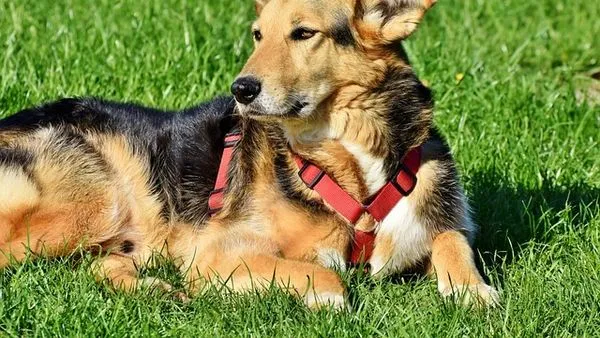
Accuracy is the most critical question for any pet owner or veterinary professional. Published studies report that AI diagnostic tools for pets achieve 80–90% accuracy in narrowly defined tasks. For example, a 2023 study on AI-based detection of canine hip dysplasia from radiographs showed a sensitivity of 88% and specificity of 91%. Another study on feline skin disease classification using deep learning reached 84% accuracy across 12 common conditions.
However, accuracy is not a single number. It varies by disease type, input quality, and the clinical context. A tool that excels at identifying ear infections may struggle with systemic diseases like kidney failure or diabetes, which require multi-parameter analysis.
Accuracy by Application Area
Based on peer-reviewed research and validation studies, here is a realistic overview of AI diagnostic accuracy in veterinary medicine:
- Skin and ear conditions – 80–95% accuracy for common conditions like dermatitis, fungal infections, and otitis.
- Radiographic abnormalities – 85–92% for detecting fractures, lung masses, and cardiomegaly (enlarged heart).
- Cardiac murmurs and heart disease – 80–88% when analyzing digital stethoscope recordings and ECG data.
- Parasite detection – 90–97% accuracy for identifying parasite eggs in fecal images.
- Multi-system or chronic diseases – 60–75% accuracy, due to overlapping symptoms and the need for serial lab values.
Key point: AI is most reliable when the task is focused and the training dataset is large and well-labeled. It is least reliable when asked to answer broad, open-ended questions like "What is wrong with my pet?"
Why Accuracy Varies
Several factors influence how accurately an AI system diagnoses a pet:
- Image quality – Blurry, poorly lit, or low-resolution photos significantly reduce performance.
- Breed variation – A model trained mostly on Labrador retrievers may misdiagnose a condition in a pug or a Persian cat.
- Disease prevalence – AI tends to over-predict common conditions and under-predict rare ones, a bias inherited from the training data.
- Owner-reported symptoms – Subjective descriptions can be vague or misleading. For instance, "lethargy" may mean different things to different owners.
- Missing clinical context – Without physical examination, lab results, or historical trends, AI can miss important clues.
Therefore, any claim of "99% accuracy" should be treated with skepticism unless it specifies the exact condition, dataset, and validation method.
How to Use Pet AI Diagnosis at Home
When used correctly, pet AI diagnosis can be a valuable first step in managing your pet's health. It is not a substitute for veterinary care, but it can help you make informed decisions and communicate better with your vet.
Step-by-Step Guide to Using an AI Symptom Checker
Follow this practical method to get the most reliable results from any AI-based pet diagnostic tool:
- Choose a reputable tool – Look for products developed with veterinary input, published validation studies, or partnerships with academic institutions.
- Provide accurate, detailed information – Enter your pet's age, breed, sex, weight, and medical history. Do not skip fields.
- Take high-quality photos – Use natural lighting, take multiple angles, and include a size reference for skin lesions.
- Describe symptoms objectively – Instead of saying "my dog seems sad," say "my dog has reduced appetite for 48 hours and is drinking more water than usual."
- Review the output critically – Note the list of possible conditions and their confidence scores. Treat high-confidence suggestions as "worth checking" rather than "confirmed."
- Contact a veterinarian – Share the AI output with your vet during the appointment. Ask whether they agree and what additional tests are needed.
When to Trust AI and When to See a Vet Immediately

AI can be trusted for triage and education, but certain red flags require immediate professional attention regardless of what the AI says:
- Difficulty breathing or choking
- Seizures or loss of consciousness
- Severe bleeding or trauma
- Bloated or painful abdomen
- Ingestion of a known toxin
- Inability to urinate or defecate
- Sudden collapse or extreme lethargy
In these cases, do not wait for an AI analysis. Go to an emergency veterinary clinic immediately. AI is best used for non-urgent concerns like skin rashes, ear discharge, changes in appetite, or mild gastrointestinal upset.
Pet AI Diagnosis vs. Traditional Veterinary Diagnosis
Understanding the differences between AI-based and traditional veterinary diagnosis helps you use both effectively. They are complementary, not competing, approaches.
Direct Comparison
- Speed – AI provides results in seconds or minutes. A vet may need 30–60 minutes for a full examination and diagnostic workup.
- Cost – Many AI apps are free or cost less than $10 per month. A veterinary diagnostic visit typically ranges from $50 to $250, excluding tests.
- Physical examination – AI cannot palpate, auscultate, or observe your pet's gait and posture in real time.
- Laboratory testing – AI relies on input data; a vet can run blood, urine, or imaging tests to confirm a hypothesis.
- Clinical judgment – A vet integrates your pet's history, behavior, and subtle physical cues that AI may miss.
- Long-term monitoring – AI excels at tracking trends from wearable data, while vets provide episodic but comprehensive care.
Key point: AI is a pattern-matching tool; veterinary diagnosis is a hypothesis-driven process that includes physical examination, diagnostic testing, and treatment response evaluation.
Tips for Combining AI with Professional Care
To maximize the benefits of both approaches, follow these practical tips:
- Use AI as a pre-visit checklist – Collect photos, symptom logs, and AI-generated reports before your appointment.
- Share data with your vet – Many vets appreciate receiving structured information, as it saves time and focuses the conversation.
- Ask your vet about their AI tools – Some clinics use AI for radiograph review or ECG analysis. Ask how they validate these tools.
- Track your pet's baseline – Use AI-powered monitoring (e.g., smart collars) to establish normal ranges for heart rate, activity, and sleep. Deviations are early warning signs.
- Never adjust medications based on AI output – Only a licensed veterinarian can prescribe or modify treatment plans.
The Future of Pet AI Diagnosis
The field of pet AI diagnosis is evolving rapidly. In the next five years, we can expect several meaningful developments:
- Multim