pet recognitionon encyclopedia is a comprehensive reference for understanding how artificial intelligence (AI) uses biometric and behavioral data to identify, track, and care for individual animals. In short, this technology converts unique physical or movement features—like a nose print or gait—into a digital profile, enabling accurate recognition that microchips alone cannot provide. From automated feeders to lost-pet searches, this guide explains what pet recognition is, how it works, and how you can use it effectively.
Key Facts: What Is Pet Recognition?
Pet recognition refers to AI systems that recognize a specific animal without tags, chips, or human intervention. Unlike traditional identification methods, which require an implanted device, recognition is passive and based on inherent biological characteristics. The most common forms are visual, acoustic, and behavioral recognition, though the first dominates commercial applications.
Biometric Identifiers for Pets
- Nose prints – The pattern of ridges and dots on a dog’s nose is as unique as a human fingerprint. Cats have similar nasal patterns, though they are smaller and harder to photograph.
- Iris patterns – The colored part of the eye contains structural details that remain stable over a pet’s life. Iris recognition works well in controlled lighting.
- Coat patterns – For calico cats, dalmatians, or brindle dogs, irregular color patches create a natural barcode. AI can map these against a reference image.
- Ear shapes and facial geometry – Proportions of the head, distance between eyes, and ear fold angles are moderately distinctive, especially among same-breed pets.
Non-Biometric Recognition: The Limits of Tags and Chips
RFID tags, QR codes, and microchips are identification tools, not recognition tools. They require physical proximity or scanning. A lost pet without a collar cannot be identified by a chip unless someone takes it to a vet or shelter. AI recognition, by contrast, works from any photo or video frame, making it indispensable in real-world rescue scenarios.
How AI Pet Recognition Works: A Practical Guide
Building a reliable pet recognition system follows a standard pipeline. Understanding this helps you interpret accuracy claims and choose better products.
- Data collection – Capture multiple images or video frames of a pet from different angles, lighting conditions, and distances. For mask-based systems, a clear frontal view is ideal.
- Feature extraction – The AI compresses raw pixels into a small numeric vector (called an embedding) that represents the pet’s unique geometry, texture, and pattern.
- Model training – The system learns to minimize differences between images of the same pet while maximizing differences between distinct pets. This requires a large, labeled dataset of many breeds and mixed breeds.
- Match inference – When a new image arrives, the AI computes its embedding and compares it against a database using similarity metrics like cosine distance. A score above a threshold confirms a match.
Training a Recognition Model: Why Data Diversity Matters
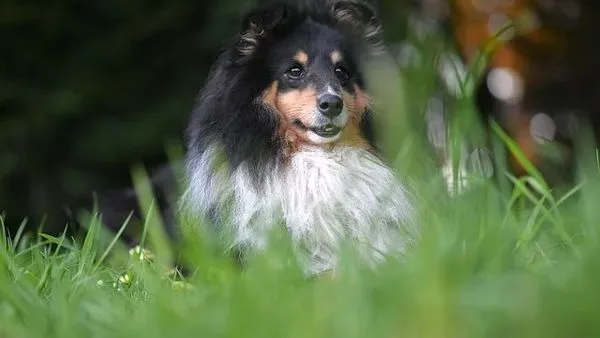
Models trained only on purebred golden retrievers fail on mutts or breeds with similar coat colors. Good systems include edge cases: pets with crops ears, missing eyes, extensive scars, or very long fur. Data augmentation—rotating, cropping, changing brightness—also helps models generalize. As a result, a production-ready model requires at least 500–1,000 images per animal during testing, even if only a few are needed for enrollment.
Comparison: Facial Recognition vs. Nose Print vs. RFID
Choosing the right identification method depends on your goal. Here is a factual breakdown for common pet-tech contexts.
- Speed and convenience – Facial and nose-print recognition is fastest because it works from a single smartphone photo. RFID requires a scanner within inches.
- Accuracy under real conditions – Nose print recognition is highly accurate (reported ERROR rates below 1% in controlled studies), while facial recognition dips to 85–95% when pets are moving or in dim light. RFID is 100% accurate if the chip is read.
- Cost and invasiveness – RFID and microchips require a needle injection or an external tag. Biometric recognition is non-invasive, but needs a camera-equipped device, raising hardware costs.
- Longevity – Biometrics change gradually; a puppy’s face matures significantly over a year. RFID chips never fail. Most AI systems handle this by asking for periodic re-enrollment or using supplementary coat patterns that persist.
- Privacy – Facial and nose print databases are biometric data. In contrast, an RFID chip carries only an ID number. If you host your own recognition server, you control that data, but cloud apps store it. Always check the vendor’s privacy policy.
Practical Tips for Using Pet Recognition Effectively
Whether you are a pet parent, shelter worker, or vet professional, these tips will improve recognition success and avoid common pitfalls.
For Pet Owners
- Enroll with high-quality images – Use daylight, no flash, and a clean background. Take three to five photos of the face, both sides, and the full body. Avoid photos where the pet is sleeping or has closed eyes.
- Update your pet’s profile seasonally – Long-haired breeds change appearance after grooming. A summer shave-down can cause false negatives. Refresh the template every two to three months.
- Combine AI with a physical chip – Use AI recognition for daily automation (pet doors, feeders) but keep a microchip as a permanent legal proof of ownership. They are not competitors; they are complementary.
- Test with a lost-pet scenario – Simulate a low-quality image (blurry, backlit, or taken from below) to see if your AI app still finds your pet. If not, adjust enrollment.
For Shelters and Veterinary Clinics
- Standardize photo protocols – Create a fixed angle and distance for intake photos. Use the same camera position for all animals to reduce variance.
- Label metadata correctly – Record breed mix, age, and unique scars along with the AI template. This lets you filter the database before computing embeddings, speeding up matching.
- Cross-check with a manual review – When AI returns a high-confidence match, have a human verify the nose print or a distinct marking. This prevents false reunions in noisy data.
Conclusion: A Living Reference for a Growing Field
As our pet recognition encyclopedia shows, the field is no longer experimental. AI now achieves professional-grade accuracy on cats and dogs, and it is expanding to rabbits, birds, and even horses. The next wave will combine recognition with behavior analysis—predicting illness from gait changes or detecting pain from ear posture. Companies like Pettuex are integrating these algorithms into smart cameras and collars, moving recognition from a gimmick to a daily care tool. For now, choose a system that respects privacy, supports regular re-enrollment, and pairs well with classic microchipping. Recognition is not a replacement but an augmentation of the bond you already have with your pet.
FAQ: Pet Recognition Basics
Is pet recognition reliable enough for everyday use?
Yes, especially for controlled settings like smart feeders and doors. Top systems achieve over 95% accuracy for frontal face images. Accuracy drops in low light or with very fast movement, so most consumer products require a bright environment or use a secondary verification like a collar magnet.
How is pet recognition different from microchipping?
Microchipping stores a fixed number that must be read by a scanner. Pet recognition uses unique biological features to identify an animal from photos or video, with no physical device needed. A microchip never fails, but it cannot help if the pet is lost and no one scans it. Recognition helps you find a pet proactively from social media or street camera frames.
Can I use pet recognition to find a lost animal?
Yes. Many lost-pet databases accept photos and run AI matching against uploads from nearby shelters or neighbors. For this to work, your pet must have an enrollment photo in the same database. Success rates improve with clear, recent profile images and multiple angles. Some services now combine AI with a street-search image feed to detect your pet on public cam footage.
Does pet recognition work for all animal species?
Currently, it works best for dogs and cats because they have large, standardized datasets. Species without obvious coat patterns (like hamsters or fish) require very high-resolution images. However, research has succeeded for dairy cattle (coat patterns), pigs (ear ridges), and primates (facial features). Expect consumer devices to expand beyond cats and dogs within the next three years.