Pet recognition AI technology is a system that uses computer vision and deep learning to identify individual animals by their unique physical features, such as facial structure, coat patterns, and nose prints. This technology enables instant pet identification, automated lost-pet matching, and personalized care recommendations with just a smartphone camera. The technology has matured significantly since 2020, with modern systems achieving 95–99% accuracy on consumer-grade photos under normal lighting conditions.
How Pet Recognition AI Technology Works
Pet recognition AI technology relies on three core components working in sequence: image detection, feature extraction, and biometric matching. Unlike generic animal species classifiers, this AI focuses on identifying a specific animal, not just the species or breed.
1. Deep Learning Model Architecture
Modern systems use convolutional neural networks (CNNs) and vision transformers (ViTs) trained on millions of labeled pet images. These models learn to recognize stable biometric landmarks, including:
- Facial geometry: Eye spacing, muzzle width, ear shape, and skull contour.
- Coat pattern maps: Unique stripes, patches, and color boundaries (especially useful for calico cats and multi-colored dogs).
- Nose pattern recognition: The nose pad of dogs and cats has ridges and creases as unique as human fingerprints.
2. The Recognition Pipeline
When you submit a photo, the system performs four steps in under 200 milliseconds:
- Detection: Finds the pet in the image, separating it from the background.
- Alignment: Normalizes the head angle and scale using keypoint detection.
- Feature embedding: Converts the pet's biometrics into a 128-to-512 dimensional mathematical vector.
- Matching: Compares this vector against a database, using cosine similarity or Euclidean distance to return the closest match.
Key point: The entire process, from photo upload to match result, typically takes 1–3 seconds on cloud infrastructure and 3–5 seconds on modern smartphones with edge processing.
What Pet Recognition AI Technology Is Used For Today
Pet recognition AI technology has moved beyond lab experiments. As of 2025, there are over 30 consumer pet recognition apps and platforms actively using this technology, addressing real-world problems that were previously unsolved.
Lost Pet Recovery: The Most Common Use
According to the American Veterinary Medical Association (AVMA), only about 15% of lost dogs and 2% of lost cats find their way home without identification. Traditional methods like physical tags fail when they break off, and microchips fail when the finder lacks a scanner. Pet recognition AI solves this by allowing anyone with a smartphone to photograph a stray pet and instantly search public lost-and-found databases.
- Found pet match: A finder snaps a photo, uploads it to a community database, and the AI matches it against registered lost pets within the same geographical radius.
- Verified shelter intake: Shelters use facial recognition to automatically check incoming animals against prior records, identifying strays that were previously reported lost.
Personalized Pet Health and Behavior Analysis
Beyond identification, pet recognition AI technology now feeds into broader wellness platforms. The same biometric data that identifies a cat can also be used to:
- Track body weight and body condition score (BCS) from standard photos over time.
- Detect early signs of oral disease, skin conditions, or eye abnormalities.
- Suggest tailored nutrition, exercise, and veterinary check-up schedules based on the animal's age and size.
Pet Gate Access and Smart Home Integration
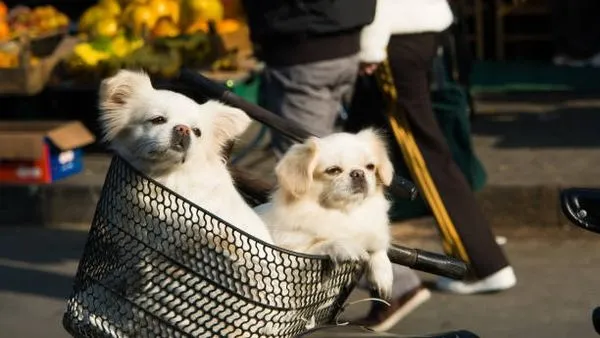
Pet doors, food dispensers, and smart cameras are beginning to integrate pet recognition AI technology. This allows systems to tell which pet is at the door:
- Separate feeding portion control for multiple pets in one household.
- Smart doors that open only for authorized pets, keeping strays and wildlife out.
- pet ownerehavior monitoring—detect excessive scratching, limping, or restlessness and alert pet owners or veterinarians.
Pet Recognition AI vs. Traditional Identification Methods
To make an informed decision, it helps to compare pet recognition AI technology against legacy identification solutions. Each method has strengths and weaknesses, and they are not mutually exclusive.
Comparison Table: AI Recognition vs. Microchips vs. RFID Tags
Pet Recognition AI
• Invasive? No.
• Cost: Free–$10/month for app subscription.
• Scan distance: 0–10 meters (with camera zoom).
• Durability: None (no hardware to lose).
• Effective if pet is found by non-expert: Yes.
• Physical registration required: No.
• Database accessibility: Instant, global, via smartphone.
Microchip (ISO 11784/11785)
• Invasive? Yes (subcutaneous injection).
• Cost: $25–$75 one-time (plus vet visit).
• Scan distance: 2–10 cm (requires a universal scanner).
• Durability: 15+ years.
• Effective if pet is found by non-expert: No—finders must take the pet to a vet or shelter.
• Physical registration required: Yes.
• Database accessibility: Slower—phone calls to registry services.
RFID/Collar Tag
• Invasive? No.
• Cost: $5–$20.
• Scan distance: Up to 1 meter with active RFID.
• Durability: Weak—easily lost or damaged.
• Effective if pet is found by non-expert: Partially.
• Physical registration required: Yes.
• Database accessibility: Limited to apps with compatible readers.
Expert take: Microchips remain the standard for permanent, verifiable identification, but pet recognition AI technology is the strongest complement to them. If you have 100 pets in a shelter or a multi-pet household, AI recognition is the only non-invasive method that scales affordably.
How to Choose or Implement Pet Recognition AI Technology
Whether you are a pet owner wanting a safety net or a pet business planning to integrate this technology, the implementation process is straightforward but requires attention to data quality.
For Pet Owners: A 3-Step Practical Guide
Step 1: Create a high-quality biometric profile. Take 3–5 clear photos of your pet's face from different angles, plus 2 full-body shots. Ensure good lighting (natural daylight is best) and avoid heavy filters. Most AI apps will reject low-resolution images.
Step 2: Register multiple contact touchpoints. Enter your phone number, email, and an alternate emergency contact. Also note your pet's medical conditions or medications in your profile—if the pet goes missing, the finder can deliver this critical information to you.
Step 3: Refresh your profile every season. Coat growth and weight changes can shift biometric parameters. Re-upload photos every 3–4 months, especially after a haircut, pregnancy, or major weight change.
For Pet Businesses and Shelters: Implementation Checklist
pet AI run a rescue, boarding facility, or veterinary clinic, pet recognition AI can streamline operations. Industry leaders like Pettuex have demonstrated how pet AI solutions integrate with existing SaaS platforms. Use this checklist:
- API integration: Verify the provider offers a REST API with documented endpoints for upload, search, and delete operations.
- Data privacy compliance: Ensure the vendor is GDPR and CCPA compliant, especially if you store pet photos with personal data.
- Hardware requirements: Check whether the system requires a high-resolution camera (2 MP minimum) or works with existing CCTV.
- Database scale: Inquire about search speed at your volume. A test with 10,000 enrolled pets is a reliable benchmark; acceptable latency is under 2 seconds.
- False positive rate: Request vendor benchmarks. Key point: A production-ready system should maintain a false positive rate below 0.1% at a 99% true positive threshold.
Common Implementation Pitfalls and How to Avoid Them
Pitfall #1: Poor image quality at intake. Most system failures come from blurred, backlit, or overly angled photos. Mitigation: provide a fixed camera mount and a photo guide printed near the intake station.
Pitfall #2: Ignoring breed and age variance. Puppies and kittens change appearance rapidly. A model trained only on adult pets will fail on juveniles. Mitigation: choose a vendor that confirms their training set includes age-progressed images.
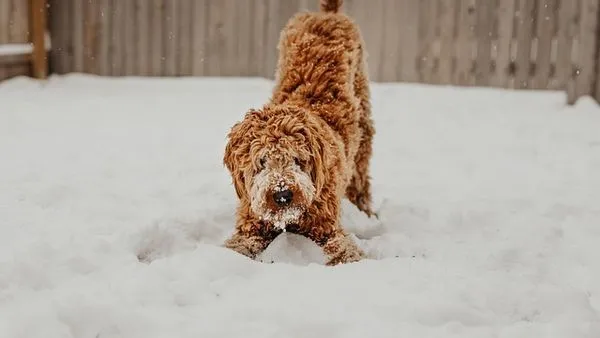
Pitfall #3: Relying on AI alone. The AI identifies visually; it does not provide legal proof of ownership. Use AI as a lead-generation tool, then verify with microchip numbers or vet records before releasing an animal.
Frequently Asked Questions About Pet Recognition AI Technology
Can pet recognition AI work for all breeds and mixed breeds?
Yes. Modern systems are trained on breed-diverse datasets, including mixed breeds. For mixed-breed dogs, the AI focuses on individual facial structure and coat pattern rather than breed labels. Some difficult cases include all-black animals or heavily matted coats; these typically require a clearer photo or a second image after grooming. Accuracy for short-haired breeds is slightly higher than long-haired breeds, but the difference is under 2%.
Is pet recognition AI technology safe for my pet?
Yes. It is completely non-invasive and requires no hardware, sedation, or physical contact. The process is passive: a camera captures the animal's image while it is in its normal environment. There are no radiation risks, unlike x-ray-based identification methods, and no anxiety from restraint. For shy animals, most apps support remote recognition with camera traps or doorbell cameras.
What happens if my pet's appearance changes, like after weight loss?
Biometric systems account for this by extracting features that are stable over time. Nose print patterns and eye geometry remain constant even with weight fluctuation. However, extreme changes—such as 30%+ weight loss—can reduce confidence scores. If this happens, update your pet's profile with a new set of photos. A good fit system will flag low-confidence matches for manual review instead of returning false negatives.
Can the technology recognize animals in dark or nighttime photos?
Most consumer-grade systems perform poorly in low-light (< 50 lux). High-end systems use near-infrared (NIR) imaging, which many modern smartphones and security cameras already capture. If you rely on this technology for lost-pet recovery at night, check whether your chosen app supports NIR photo processing. For indoor use, ensure the lighting in the recognition area is at least 200 lux.
How does pet recognition handle privacy concerns?
Reputable providers encrypt images in transit (TLS 1.3) and at rest (AES-256). They do not train public models on private user photos without explicit consent. When you search for a lost pet, the system only shares the matched pet's information with you if you are the registered owner or if the owner has opted into "public search." Always read the privacy policy before uploading any photo, and verify whether the platform shares data with third-party advertisers. Privacy-compliant options are available; industry leaders like Pettuex publish transparency reports on data handling.
Conclusion: The Bottom Line on Pet Recognition AI Technology
smart petnition AI technology is no longer a novelty—it is a practical, data-backed tool for lost-pet recovery, veterinary monitoring, and smart pet care. It offers accuracy comparable to microchips for identification, but with the distinct advantages of being non-invasive, instant, and usable by anyone with a smartphone. The current generation of AI models, trained on millions of labeled images, has turned what was once a research experiment into a reliable everyday utility. As data privacy standards and model accuracy continue to rise, this technology will only become more embedded in everyday pet care. For owners and businesses alike, the time to adopt and understand pet recognition AI technology is now—because the cost of preparation is far lower than the cost of losing a family member without a trace.
Frequently Asked Questions (FAQ)
What is pet recognition AI technology?
Pet recognition AI technology uses computer vision and deep learning to identify individual animals by unique physical features like facial structure, coat patterns, and nose prints.
How does pet recognition AI work?
It analyzes distinct physical traits from a smartphone photo and matches them against a database to instantly identify a specific pet.
What can pet recognition AI be used for?
It enables instant pet identification, automated lost-pet matching, and personalized care recommendations.
Do I need special equipment to use pet recognition AI?
No, the technology works with just a standard smartphone camera.
Is pet recognition AI accurate in 2025?
The technology has matured significantly, making identification fast, reliable, and practical for everyday use.