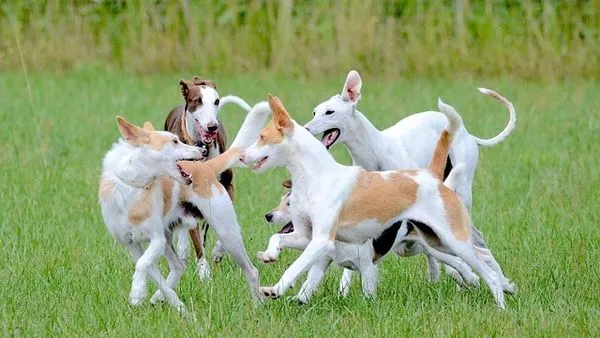
Understanding dog behavior means learning to read the body language, vocalizations, and daily rituals dogs use to communicate emotions and intentions. When you interpret these signals correctly, you can prevent fearful or aggressive incidents and respond to your dog’s needs with confidence. This guide explains the most common behavior patterns, their meanings, and practical response strategies.
What Is Dog Behavior and Why It Matters
Dog behavior is the range of actions and reactions a dog shows in response to internal states or external events. Posture, tail position, ear angle, and vocal sounds work together as a communication system. Every behavior has a purpose: because dogs evolved as pack animals, most of their signals are designed to avoid conflict and maintain social balance.
Why does this matter? Because misreading a dog can lead to fear, stress, or injury. Estimates from the American Veterinary Medical Association indicate that over 4.5 million people are bitten by dogs in the U.S. annually, and many bites are preceded by warning signals owners fail to recognize. Learning to see those signals is the first step toward prevention.
The Science Behind Dog Communication
Dogs share roughly 99% of their DNA with gray wolves, yet domestication has given them a unique ability to read human cues. Even young puppies understand human pointing gestures, and researchers estimate that their social cognition is comparable to a 2- to 3-year-old child. Additionally, trainer and author Turid Rugaas documented more than 20 distinct "calming signals"—subtle gestures like lip licking, yawning, and turning the head away—that dogs use to de-escalate social tension.
Understanding Dog Behavior Through Body Language
Reading dog communication signals accurately is the core of this skill. Look at the whole body rather than one isolated part, because a single signal can change meaning depending on context.
Tail Positions and Movement

- High, stiff tail: alertness or defensive readiness.
- Low or tucked tail: fear, stress, or submission.
- Right-side tail wagging: positive emotion; the dog is interested in approaching.
- Left-side tail wagging: negative emotion; approach with caution.
- Relaxed, gentle wagging: comfortable and friendly.
Ear Positions and Facial Expressions
- Ears forward: focus and interest.
- Ears flattened: fear or uncertainty.
- Ears slightly back: mild unease.
- Soft eyes with blinking: relaxed and calm.
- Hard stare: a direct warning; stop what you are doing and give space.
- Lip licking or yawning: stress or discomfort, not tiredness.
Vocalizations and What They Mean
- Short, sharp bark: alarm or alert.
- Rapid, high-pitched bark: excitement or anxious arousal.
- Low, continuous growl: a serious warning.
- Higher-pitched play growl: usually paired with a relaxed play bow.
- Whining or whimpering: frustration, excitement, or even pain.
Body Posture and Movement
- Play bow: forelegs lowered, rear raised; an unmistakable invitation to play.
- Freezing or stiffening: a dog considering fight or flight—increase distance immediately.
- Turning the head away: a calming signal to reduce tension.
- Sudden scratching or shaking off: a stress-release behavior.
Common Dog Behavior Problems and Solutions
Many owners search for common dog behavior problems and hope for a quick fix. The most effective approach is to identify the underlying cause, then change the environment or train an alternative response.
Excessive Barking
Dogs bark for many reasons: territorial defense, boredom, fear, or attention-seeking. The solution depends entirely on the trigger. For boredom, increase daily exercise and mental enrichment. For alarm barking, block windows or use white noise to reduce visual triggers. Avoid shock collars or prolonged yelping punishment; research links such tools with increased anxiety and aggression.
Destructive Chewing
Chewing is normal for puppies, but destructive chewing in adult dogs often signals stress, lack of exercise, or needle-time boredom. Provide safe alternatives like Kong-style toys filled with food, rotate chew options every few days, and supervise the dog when it is allowed access to furniture areas. If chewing appears only after you leave the house, evaluate for separation anxiety.
Separation Anxiety

An estimated 20% of dogs experience separation anxiety, characterized by pacing, drooling, destructive digging at doors, and eliminating indoors despite being house-trained. Treatment begins with desensitization: leave for 30 seconds, return, and gradually increase the duration in small increments. Combine this with a high-value treat toy that is only offered when you leave, so the dog builds a positive association with alone time.
Aggression Toward Other Dogs
Most dog-directed aggression is fear-based or protective. Avoid forcing leashed greetings; a tight leash makes a dog feel trapped and more reactive. Use a "look at that" game: whenever your dog sees another dog at a safe distance, mark and feed a treat. Over several sessions, the dog learns that the other dog predicts something positive.
How to Respond: A 6-Step Observation Framework
Knowing how to read dog body language is only half the work; the rest is what you do in the moment. Follow these steps every time you encounter an unfamiliar behavior.
- Stop and describe—note tail, ears, eyes, posture, and sounds in concrete words.
- Identify the context—is there food, a stranger, another dog, a loud noise, or a sudden change in the environment?
- Look for multiple signals—a wagging tail plus a stiff body means stress, not happiness.
- Change the distance—if the dog appears unsure, calmly increase space; distance reduces pressure.
- Offer a high-value treat—only if the dog is not showing escalating aggression, to create a positive association.
- Seek professional help—for aggression, panic, or any behavior that feels dangerous. Never try to "tough it out" alone.
Understanding Dog Behavior vs. Training: The Difference and Why You Need Both
Understanding dog behavior is the science of why a dog acts; training is the practice of teaching a specific response. They serve very different roles:
- Behavior: shaped by instinct, genetics, health, and past experience.
- Training: built through repetition, rewards, and clear cues.
- Best practice: first observe and understand what the dog feels, then train a safe alternative behavior that replaces the problem action.
For example, a dog that snaps when its food is touched is expressing resource-guarding behavior. Simply training "sit" does not solve the fear; the goal is
Frequently Asked Questions (FAQ)
How can I tell if my dog is feeling fearful or aggressive?
Fearful or aggressive signals often include a tucked tail, flattened ears, lip licking, yawning, growling, or stiff body posture, so learning to read these cues helps you prevent incidents.
Why does my dog yawn or lick its lips when I approach?
Yawning and lip licking are calming signals dogs use to communicate stress, discomfort, or a desire to avoid conflict, not necessarily tiredness or hunger.
What should I do when my dog shows signs of anxiety?
When your dog shows anxious body language, stop whatever is causing the stress, give it space, and respond calmly to help it feel safe.
Can I prevent aggressive behavior by understanding dog body language?
Yes, correctly interpreting body language allows you to recognize early warning signs and adjust the situation before fear or aggression escalates.
How do daily rituals help me understand my dog’s needs?
Daily rituals like greetings, feeding, and playtime provide reliable opportunities to observe your dog’s signals and respond confidently to its emotional state.