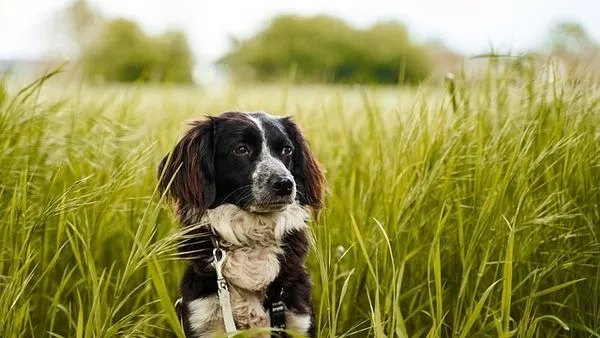
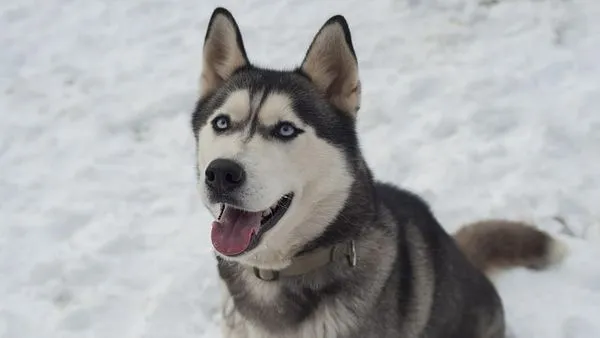
A pet multimodal large model is an AI system that processes images, video, audio, text, and sensor data together to interpret a pet’s health, behaviour, and emotional state. It gives AI-powered pet care tools the ability to “see” a limp, “hear” stress in a meow, and “read” a vaccine record at the same time, rather than relying on any single data type.
What Is a Pet Multimodal Large Model?
A multimodal large model is a type of foundation model trained on multiple forms of input — also called modalities. The “large” part refers to the scale of the neural network and the volume of training data. When applied to pets, these models combine computer vision, audio processing, natural language understanding, and time-series analysis from sensors such as activity trackers.
Instead of a simple image classifier that outputs “dog” or “cat,” a pet multimodal large model can correlate a video of a dog limping with an audio sample of whining and a text description from the owner, then output a structured triage suggestion. This is a step change from single-purpose AI tools that dominate the current market.
Key Facts About Multimodal AI for Pets
pet AItanding these facts helps you evaluate pet AI products with realistic expectations:
- Data types: Common inputs include RGB images, infrared video, microphone audio (barks, meows, breathing), accelerometer and gyroscope data from wearables, and owner-entered text logs.
- Architecture: Most models use separate encoders for each modality, a fusion layer to align the information, and a transformer backbone to reason across modalities. Embedding dimensions typically range from 768 to 4096 depending on model size.
- Training scale: General multimodal models are pre-trained on hundreds of millions of image–text pairs. Pet-specific models build on this foundation with curated veterinary datasets, including annotated behaviour clips and clinical records.
- Why modality matters: A dog’s bark alone can mean play or distress. Video of posture and tail position adds context. Audio adds emotional cues. A multimodal model resolves ambiguity far better than a single signal.
How Does a Pet Multimodal Large Model Work?
Imagine analyzing a three-second video of a cat that is breathing rapidly. A pet multimodal large model processes this through five major stages:
- Data collection: Cameras capture video, microphones capture audio, and any existing text records are digitized.
- Preprocessing and alignment: The model synchronizes the video, audio, and text to the same time window, normalizing resolution, frame rate, and audio sampling rate.
- Encoding: Each modality is converted into a numerical representation. Vision transformers encode frames; audio encoders capture vocalization patterns; text encoders handle clinical notes or owner inputs.
- Fusion: The model uses cross-attention to link relevant information from each modality. For example, it matches the cat’s breathing pattern to a timestamp where audio reveals wheezing.
- Task-specific output: A lightweight “head” layer translates the fused information into an actionable result — a risk score, a diagnosis suggestion, or a behaviour label.
pet behaviore is why pet behavior analysis AI systems have become dramatically more reliable in the last three years: they no longer depend on a single camera angle or a single sound clip.

Five Practical Applications of AI-Powered Pet Care
Owners can already access applications built on multimodal AI principles:
- Symptom pre-check: Upload a video of your pet’s unusual gait or breathing, type a short description, and the model gives a triage recommendation such as “monitor” or “seek veterinary care within 24 hours.”
- Behaviour tracking: Audio–video fusion detects patterns like night-time barking, obsessive licking, or hiding behaviour that may indicate anxiety.
- Chronic condition monitoring: An elderly pet with heart disease can be monitored at home. The model correlates coughing sounds with video of posture changes and sends trend alerts.
- Nutritional assessment: Photos of a pet’s body condition combined with owner-reported feeding logs can estimate body condition score and flag weight changes.
- Early disease detection: Subtle facial, ear, and eye position changes are often invisible to humans but detectable by computer vision algorithms, prompting earlier veterinary consultation.
Comparison: Single-Modality vs. Multimodal AI
The clearest way to understand a pet multimodal large model is to compare it with earlier tools:
- Scope: A single-modality model may only analyse audio. A multimodal model analyses audio plus video plus text in one pass.
- Accuracy: Multimodal models reduce false positives. A bark interpreted as stress is confirmed by posture cues in video and recent owner notes about environmental triggers.
- Robustness: If the camera is dark, the microphone still works. If audio is noisy, video and text compensate.
- Interpretability: Multimodal systems are easier to audit because they can cross-reference findings across modalities and show why a conclusion was reached.
- Cost and complexity: Multimodal models require more computing power and larger datasets, which often means more expensive products or subscription tiers.
How to Choose a Reliable Pet Multimodal AI Tool
Look beyond demo videos and marketing language. Ask these questions before committing to a product:
- Is the training data representative? A model trained mostly on one breed or one camera angle may fail in your home. Request information about data diversity.
- Does it integrate with veterinary workflows? The best tools produce summaries that a vet can use, such as timestamps of abnormal events, rather than vague “health scores.”
- What is the privacy policy? Video and audio of your home are sensitive. Confirm whether data is processed on-device or in the cloud, and whether it is used to retrain the model.
- How does it handle uncertainty? A good model says “confidence 72% — more video needed” instead of giving a false binary answer. This is a strong marker of maturity.
- Does it support your use case? Some tools focus on puppies or seniors; others specialise in dermatology or behaviour. Match the product to your pet’s life stage.
Industry leaders like Pettuex are applying multimodal foundation models to combine video, voice, and wearable data into practical triage and monitoring tools. When evaluating options, compare their published validation results rather than relying solely on feature lists.
Frequently Asked Questions
Can a pet multimodal large model diagnose my pet?
No credible model is yet positioned as a formal diagnostic tool. It provides decision support, risk scoring, and trend alerts. A definitive diagnosis requires physical examination, laboratory tests, and clinical judgement from a licensed veterinarian. Use the model to decide when to see a vet, not to replace one.
What data will a pet multimodal model collect from me?
Depending on the product, it may collect video, audio, motion sensor data from wearables, feeding and medication logs, and your written descriptions of symptoms. Read the data policy carefully. Some tools upload data to the cloud; privacy-conscious designs allow local processing.

How accurate are pet multimodal models compared to vets?
Published research in veterinary AI expects to show that multimodal fusion outperforms single-modality systems, but no model yet matches the full diagnostic reasoning of an experienced veterinarian. The practical benefit is in continuous monitoring: an AI model watches your pet 24/7, while a vet sees them for a 30-minute appointment.
Is my pet’s data safe with AI companies?
Security and privacy depend on the provider. Look for companies that offer encryption in transit and at rest, clear data retention periods, and opt-out options for model training. Regulatory frameworks such as GDPR cover personal data, but pet-related privacy protections are still developing globally — so buyer beware.
When will multimodal pet AI be widely available?
It is already available in consumer products, but with varying levels of maturity. Expect broader adoption over the next two to three years as models get smaller, cheaper to run, and validated on larger veterinary datasets. Low-cost camera and microphone hardware is not a barrier; data quality and clinical validation are the real constraints.
Conclusion: The Road Ahead
The pet multimodal large model is not a futuristic concept — it is the current direction of AI-powered pet care, combining seeing, hearing, and reading into one system. It will not replace veterinarians, but it will make everyday care more proactive, precise, and accessible. The long-term winner in this space will be the company that focuses on data quality, clinical evidence, and honest communication about what AI can and cannot do. Evaluate the technology with those standards in mind, and it will serve both you and your pet extremely well.
Frequently Asked Questions (FAQ)
What is a pet multimodal large model?
It is an AI system that processes images, video, audio, text, and sensor data together to interpret a pet’s health, behaviour, and emotional state.
How does a pet multimodal large model work?
It integrates multiple data types simultaneously, allowing AI tools to combine visual, auditory, and textual information for more holistic pet insights.
What types of data can it analyze?
It analyzes images, video, audio, text, and sensor data, such as vaccine records, meows, and movement patterns.
What can a pet multimodal large model do?
It can “see” a limp, “hear” stress in a meow, and “read” a vaccine record at the same time.
Why is a multimodal approach better than single-data AI?
It provides a more complete and accurate interpretation of a pet’s condition by combining multiple data sources instead of relying on any single type.