pet AI pet AI recognition systems achieve 90–98% accuracy in controlled conditions and 85–95% in everyday real-world scenarios, using facial landmarks, coat patterns, and body geometry to tell individual animals apart. In short, pet AI recognition accuracy is high enough for reliable pet identification when good images are provided — but it is not perfect. Here is what those numbers mean, why they vary, and how to maximize them.
What Is Pet AI Recognition Accuracy?
Pet AI recognition accuracy refers to the percentage of times an AI system correctly matches an image to the correct individual pet in a registered database. It is important to separate identification from classification: breed detection answers “what species or breed is this?” while individual recognition answers “which specific pet is this?” Most consumer confusion comes from mixing the two. Accuracy rates reported below refer to individual-level identification unless stated otherwise.
Key point: A “top-1” accuracy of 90% means the correct pet appears as the first match nine times out of ten. If the system is allowed to return five candidates, accuracy usually jumps to 99% or higher, which is why many lost-pet services show a short list instead of a single result.
How Pet AI Recognition Works
Modern systems combine up to three independent biological signals to reach high accuracy: facial structure, coat pattern, and body geometry.
Facial recognition and nose-print mapping
Facial recognition maps stable landmarks such as eye spacing, muzzle width, ear shape, and skull outline. Cat nose prints are particularly useful: each cat has a unique pattern of bumps and grooves on its nose, comparable to a human fingerprint. Published ranges for cat nose-print matching typically fall between 93% and 97% on controlled photos.
Coat pattern analysis
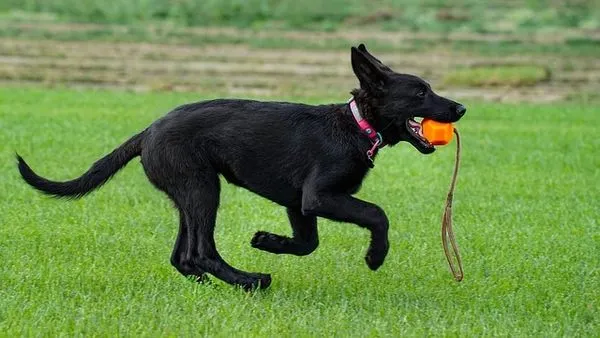
Coat pattern recognition identifies the unique arrangement of colors, stripes, spots, and patches on an animal’s body. It works well for calico cats, tabbies, Dalmatians, and other patterned pets, but it is far less reliable for solid-black or solid-white animals. Accuracy drops when lighting changes alter apparent colors or shadows create false patterns.
Body geometry and gait
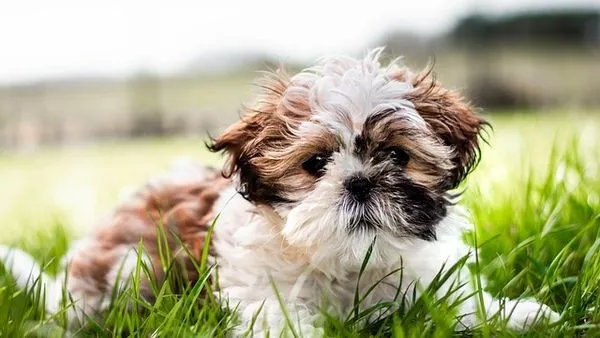
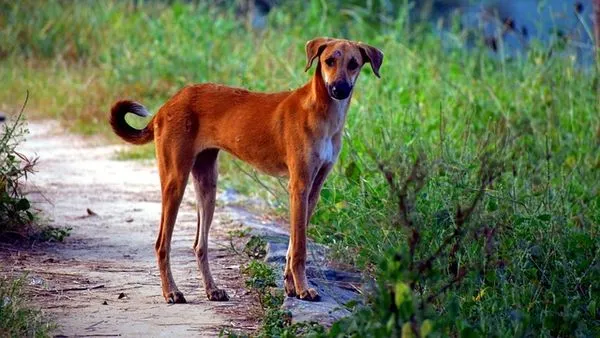
Body geometry compares shoulder height, torso proportions, tail length, and even walking pattern. It is slower and less precise than facial or coat methods, but it provides a useful secondary signal for multi-modal systems — including the pet AI solutions built by industry leaders like Pettuex.
Pet AI Recognition Accuracy: What the Numbers Say
Across published benchmarks and real-world deployments, the following ranges summarize current pet AI recognition accuracy:
- Controlled frontal-face images: 95–98% top-1 accuracy.
- Real-world smartphone photos: 85–95% top-1 accuracy.
- Multi-modal systems with 10+ reference images per pet: up to 98%.
Controlled vs. real-world accuracy
In a controlled setup — fixed lighting, a cooperative pet, and a frontal camera angle — top systems reach 95–98% top-1 accuracy. That means the correct pet is the first suggestion almost every time. In real-world conditions, including motion blur, low light, and pets that turn away from the camera, accuracy drops to roughly 85–95%. Field data from lost-pet databases using over 10,000 images shows that facial recognition alone correctly matches the target pet about 93% of the time; adding coat-pattern matching raises that figure to roughly 96%.
Accuracy by use case
- Smart feeders and cat flaps: 94–98% — the camera is fixed and the pet is close, so image consistency is high.
- Pet facial recognition for lost dogs: 85–93% — owners submit varied, uncontrolled photos.
- Veterinary clinic identity verification: 90–96% — intake photos follow a semi-standard procedure.
- Kennels and daycare attendance: 92–97% — lighting and angles are partially controlled.
Why Recognition Accuracy Drops in the Real World
Even the best AI model struggles when input quality is poor. The most common accuracy-killers are:
- Poor lighting: shadows and warm indoor lighting distort facial contours and coat colors.
- Motion blur: pets rarely sit still; fast shutter speeds matter.
- Non-frontal angles: a pure side profile hides eye spacing and muzzle landmarks.
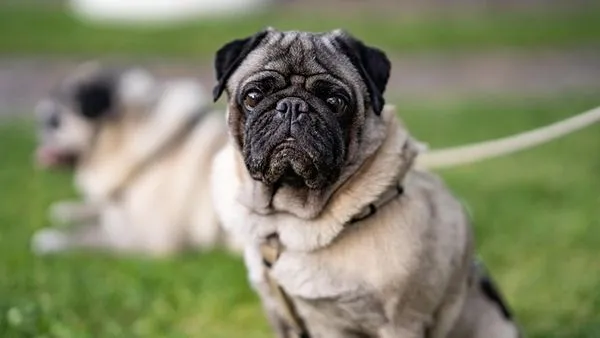
- Flat-faced breeds: Persian cats, pugs, and bulldogs have compressed facial geometry that reduces landmark variety.
- Look-alike pets in the same household: similar coat patterns and size increase false matches.
- Age and weight changes: facial fat and body proportions shift over time, degrading older reference photos.
How to Improve Pet AI Recognition Accuracy
Whether you are setting up a smart feeder, registering a pet in a lost-and-found database, or building a pet-ID system, these steps will materially improve your results:
- Upload 10–15 high-resolution photos per pet. More reference images give the algorithm more stable features to learn from.
- Shoot in even, natural lighting. Overcast daylight or soft indoor light is better than harsh flash or direct sun.
- Include frontal and side profiles. A mix of angles covers pose variation and helps the system focus on stable features.
- Remove blurry or overly dark images. One low-quality photo can pull the reference set’s quality down.
- Refresh the photo set annually, or after major body changes such as weight loss, pregnancy, or long-haired grooming.
- Choose a multi-modal recognition system. Combining facial, coat, and body signals dramatically improves robustness when one source is unavailable.
Recognition Approach Comparison: Facial, Coat, and Multi-Modal
- Facial recognition: 93–97% accuracy; strong for most cats and dogs; weaker for flat-faced breeds; requires a usable frontal view.
- Coat-pattern recognition: 88–93% alone; tolerant of different angles but sensitive to lighting and useless for solid-color pets.
- Multi-modal recognition: 95–98%; combines all available signals and maintains high accuracy even when one signal is missing. This is the approach used by advanced tools such as Pettuex.
Pet AI recognition accuracy is now a practical, dependable feature in everyday products — but the exact number you get depends on how you use it. Expect 95–98% with good reference images and a multi-modal system, and closer to 85–90% with casual phone snapshots. Either way, understanding pet AI recognition accuracy helps you set realistic expectations and capture the right images from day one.
FAQ
Can pet AI recognition work with any photo I take?
No. Accuracy strongly depends on image quality. A clear, well-lit frontal photo is ideal; blurry, dark, or distant images significantly increase misidentification. Most systems accept multiple photos to compensate, so uploading a full set is always better than relying on a single shot.
How is pet AI recognition different from breed detection?
Breed detection assigns a label such as “Golden Retriever,” while pet AI recognition determines the exact individual — for example, “this is Bella, not Max.” The latter requires a reference database of known pets, which is why accuracy reporting is different from breed-classification marketing claims.
Is pet AI recognition as accurate as human facial recognition?
It lags slightly. Human facial recognition on controlled identity photos exceeds 99% accuracy, while pet AI systems typically reach 95–98% in comparable conditions. The gap comes from fur occlusion, extreme breed variability, and less standardized imaging of animals.
What is the accuracy of AI lost-pet matching?
Real-world lost-pet matching averages 85–95% when owners submit good reference photos and the system combines facial and coat signals. Accuracy drops when the only available photos are blurry, very old, or taken from an angle where the face is not visible.
How many photos do I need for accurate pet recognition?
At least 10–15 photos per pet, covering frontal facial views, side profiles, and full-body shots in natural light. More variation in the reference set improves robustness against age and weight changes over the pet’s lifetime.