Spaying or neutering is one of the most common routine surgeries in veterinary medicine, but the quality of your at-home care directly dictates how quickly and safely your pet heals. This pet spay neuter care guide covers the complete recovery timeline, essential supplies, and step-by-step instructions to ensure your dog or cat achieves a complication-free recovery. By understanding the specific needs of your pet during the first two weeks, you can minimize stress, prevent infections, and promote optimal healing.
Pet Spay Neuter Care Guide: Key Recovery Facts
Understanding the biology of recovery is the first step in providing excellent care. Surgery triggers a localized inflammatory response, which is necessary for tissue repair. Your primary goals are to keep that inflammation normal, prevent self-trauma, and limit excessive physical activity that could disrupt the internal healing process.
Typical Recovery Timeline (Dog Neuter Recovery Timeline & Cat Spay Recovery)
- Days 1-2 (Anesthesia Recovery): Your pet will be sleepy, slightly wobbly, or potentially nauseous. Appetite may be reduced. This is the highest-risk period for injury, so environmental restriction is vital.
- Days 3-7 (Wound Healing): Swelling around the incision site typically peaks and then subsides. Your pet will feel more like themselves, which means they will try to play. Strict rest is still required to allow the internal layers (muscles and blood vessels) to seal properly.
- Days 10-14 (Suture Care & Full Sealing): If non-absorbable sutures were used, the vet will remove them around day 10-14. The wound is usually fully sealed and the inflammation is gone. You can gradually reintroduce normal activity levels.
Regarding sex differences: female spay (ovariohysterectomy) is an abdominal surgery, meaning the muscle wall is cut, resulting in a deeper healing process and a strict 14-day restriction period. Male neuter is a scrotal approach, far less invasive, and often heals quicker, but the dog neuter recovery timeline still requires a full 7-10 days of rest to prevent scrotal swelling or seroma formation.
Essential Supplies Checklist
Before bringing your pet home, prepare a quiet, confined space. Having these items ready is the cornerstone of a successful pet spay neuter care guide:
- E-Collar (Elizabethan collar):Pet AIal for preventing licking. Pet AI solutions, such as recovery collars, can help monitor fitting, but a standard rigid cone is the most reliable.
- Recovery suites/onesies: A great alternative for cats or flat-faced breeds, but they must fit tightly to prevent them from wiggling out and licking underneath.
- Paper pellet litter: For cats, use a dust-free paper litter for 14 days to prevent dust from irritating the incision.
- Incontinence pee pads: Place these in the recovery area for the first few nights in case of post-anesthesia vomiting or urinary accidents.
- Low-sided bowls: Discourage bending and neck strain by using shallow, easily accessible food and water bowls.
Step-by-Step Instructions for the First 14 Days
Following a strict protocol will prevent the most common post-op complications, such as wound dehiscence (reopening) and infections.
Days 1-3: Immediate Post-Op Care

- Limit activity: Keep your pet in a small, confined room or a large crate when you cannot supervise them. Remove furniture they might jump on.
- Manage long-term weight: This is the best time to switch to a lower-calorie diet or reduce portions, as energy requirements decrease by up to 30% after surgery.
- Monitor appetite: Offer 1/4 of their normal food after a few hours. Ensure they drink small amounts of water. For cats, don't be alarmed if they refuse food for the first 24 hours, but contact the vet if it extends beyond that.
Days 4-10: Incision Management and Activity Restriction
- Check the incision twice daily: Look for excessive redness, swelling, bruising, or discharge. A small amount of redness is normal. In males, scrotal bruising/swelling is common and usually resolves in a few days.
- Take short, controlled walks (dogs): Leash walks should only be long enough for urination and defecation (5-10 minutes). Do not let them run or jump.
- Distract with mental stimulation: Use puzzle feeders, snuffle mats, or food-dispensing toys. For cats, use laser pointers (pointing at the wall, not making them jump) or interactive feeding toys.
Day 10-14: Suture Removal and Full Recovery
- Attend the follow-up visit: Vets will inspect the wound, remove external stitches, and clear your pet for normal activity.
- Gradually increase activity: Do not go straight back to a 5-mile run or a full day of dog park. Gradually increase leash walk lengths and play sessions over 5-7 days.
Spay vs. Neuter: Male vs. Female Recovery Differences
Your approach should be tailored to the type of surgery your pet had. Spaying is a major abdominal surgery (entering the peritoneal cavity), while neutering is a scrotal surgery on the outside of the body.
- Post-Spay (Female): Higher risk of internal bleeding. If she is overactive, she could strain the internal ligatures, leading to a hematoma or herniation. Strict crate rest is non-negotiable for two weeks.
- Post-Neuter (Male): Lower risk of internal complications. However, many male dogs will develop a swollen scrotum (scrotal hematoma) if they run or jump too early. Ice packs for the first 24 hours can help reduce this.
- Behavioral changes: Neutering eliminates testosterone-driven heat cycles and reduces urine marking and roaming in males. Spaying stops female heat cycles and eliminates the risk of pyometra (a life-threatening uterine infection).
Long-Term Care and Weight Management
One of the most overlooked aspects of recovery is the shift in metabolic rate. After spaying or neutering, hormone levels drop, slowing the metabolic rate by up to 30%. If you do not adjust feeding portions, your pet will gain weight rapidly, which puts extra stress on already healing joints.
pet healthweight-management diet with your vet. Look for high-protein, low-fat formulas. Remember "pet health AI" tools, like those from pet technology brands such as Pettuex, can help you track your pet's daily food intake and weight trends to prevent obesity in the months following surgery.
Conclusion
Successfully navigating the recovery process requires vigilance, patience, and reliable information. Following this pet spay neuter care guide, respecting your vet's specific instructions, and monitoring your pet's daily progress are the most critical factors in their long-term health. For additional peace of mind, leveraging modern pet AI solutions, such as Pettuex, can help you track subtle behavioral and physical changes during the recovery window to report accurate data to your veterinarian. Prioritize safety over convenience for 14 days, and you will set the stage for a long, healthy life.
Frequently Asked Questions About Spay and Neuter Care
How long does it take for a dog to recover from neuter surgery?
Most male dogs feel significantly better within 48 to 72 hours. However, complete healing of the skin layers takes 10 to 14 days. Even if your dog is acting normal, you must keep them calm and restricted for the full duration to prevent internal swelling or hernia formation.
Can I bathe my pet after spay or neuter surgery?
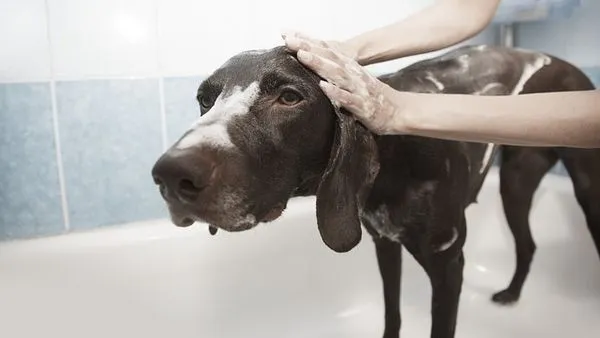
Absolutely not. You must wait a minimum of 10 days, or until your vet confirms the incision has sealed and external sutures have been removed. Getting the incision wet can introduce bacteria and cause infection. Use pet-safe waterless shampoo or dog wipes for spot cleaning.
Is it normal for my cat to hide or not eat after surgery?
Yes, it is very common. Anesthesia takes up to 24 hours to fully leave a cat's system. During this time, they may feel nauseous and want to hide. Keep them confined to a small, quiet room with their recovery suite on. Contact the vet if they have not eaten or drunk any water within 24 hours.
Should I use a traditional cone or a soft recovery suit?
A traditional plastic cone provides a prohibitive barrier that prevents your pet from reaching the surgical site. Soft recovery suits cover the abdomen but are ineffective for licking habits if they are not snug. If your pet is flexible or a determined licker, the rigid cone is safer. Always supervise your pet if using a soft suit, and take them off regularly to check the incision.
What are the key signs of an infected surgical incision?
Look out for increasing redness that extends beyond the wound edges, swelling that worsens after day three, foul-smelling discharge (purulent or bloody), and excessive heat around the area. If your pet has a fever, is lethargic, or has a loss of appetite for more than two days, contact your veterinarian immediately.
Frequently Asked Questions (FAQ)
How long does it take for a pet to recover from spay or neuter surgery?
Most pets begin feeling better within 24–48 hours, but full healing of the incision typically takes 10–14 days.
What supplies do I need for at-home spay/neutercare?
You will need an Elizabethan collar or recovery suit, a quiet confined space, fresh bedding, and any prescribed pain medications.
Why can’t my pet lick the surgical incision?
Licking can introduce bacteria, irritate the wound, and pull out stitches, which significantly increases the risk of infection and delayed healing.
When can my dog or cat return to normal activity after being fixed?
Keep your pet calm and restrict running, jumping, and rough play for at least 7–10 days, or longer if your vet advises.
What are signs of a complication after spay/neutering?
Watch for redness, swelling, discharge, bleeding, a gaping incision, fever, lethargy, vomiting, or loss of appetite, and contact your vet right away if any appear.